
How Audio Intelligence Is Changing the Marketing Game
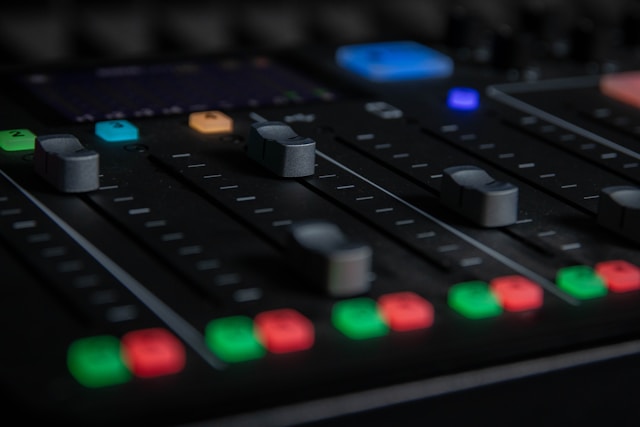
Business marketing has always relied on sound to capture attention, but recent technological breakthroughs are fundamentally reshaping what’s possible. Companies now have access to sophisticated audio tools that can generate, modify, and optimize soundscapes with unprecedented precision. This isn’t just about better music or clearer voiceovers—it’s about creating audio experiences that genuinely connect with audiences in ways that were not achievable until recently.
The shift matters because audio drives engagement across every digital channel. Podcasts, video ads, social media content, and branded experiences all depend on quality sound design. Marketing teams that understand these new capabilities can create more compelling campaigns while dramatically reducing production costs and timelines.
The Evolution Beyond Stock Libraries
Traditional approaches to marketing audio meant choosing from pre-existing tracks or hiring expensive production studios. Today’s technology enables something different entirely. Modern systems can analyze vast collections of sounds for audio research teams to understand patterns, then generate entirely new audio that matches specific creative briefs. This means a skincare brand can have custom ambient sounds that evoke their exact brand feeling, or a tech company can create signature audio logos that evolve across different platforms.
The practical benefits extend beyond customization. Marketing teams can now iterate rapidly, testing multiple audio variations to see what resonates with different audience segments. A campaign might use energetic percussion for younger demographics while incorporating softer, atmospheric elements for professional audiences—all generated from the same foundational parameters.
Real-Time Personalization at Scale
Perhaps the most significant development is the ability to adapt audio content dynamically. Imagine a podcast ad that adjusts its background music based on listener preferences, or a website that generates ambient sound reflecting local weather conditions. These developments are no longer hypothetical; they are already in use today. Brands can create audio that responds to context, time of day, user behavior, and dozens of other variables.
This personalization creates deeper engagement because listeners unconsciously recognize when sound matches their moment. A fitness app might use driving beats during morning workouts but switch to mellower tones for evening stretching sessions. The audio intelligence handles these transitions automatically, ensuring consistency while maintaining relevance.
Efficiency That Redefines Production Processes
Marketing departments constantly face time and budget constraints. Audio production traditionally required coordinating with multiple specialists, navigating revision cycles, and managing complex approval processes. New tools streamline this dramatically. A content manager can now describe the emotional tone they want—”optimistic but not overwhelming,” or “sophisticated with organic textures and generate audio in minutes.
This increased speed comes without compromising quality. The technology learns from professional sound design principles, understanding how frequencies interact, which instruments complement specific messages, and how timing influences emotional response. The result is broadcast-ready audio that maintains professional standards while dramatically reducing production overhead.
Accessibility and Inclusive Audio Design
Advanced audio technology also opens doors for more inclusive marketing. Automated captioning and audio description generation help brands reach audiences with hearing differences. Spatial audio capabilities create immersive experiences for everyone, regardless of their listening environment. Companies can now ensure their sonic branding works equally well through smartphone speakers, headphones, or premium sound systems.
The consistency this provides strengthens brand recognition. When your audio identity translates effectively across every touchpoint, audiences build stronger associations with your message. They recognize your brand not just visually but audibly, creating additional memory anchors that enhance recall and loyalty.
Looking Ahead
The trajectory is clear: audio will become increasingly central to marketing strategy. As these tools become more sophisticated and accessible, the competitive advantage will belong to brands that experiment early and build expertise. The barriers that once made premium audio production exclusive to large budgets have essentially disappeared. Small businesses and enterprise brands now operate with similar sonic capabilities, making creativity and strategy the true differentiators.
Smart marketing teams are already exploring how these advances fit their specific needs—testing, learning, and building audio-first strategies that align seamlessly with their visual content. The question isn’t whether to adopt these tools, but how quickly you can integrate them into your creative process.