
How to Make Marketing Team Meetings More Actionable
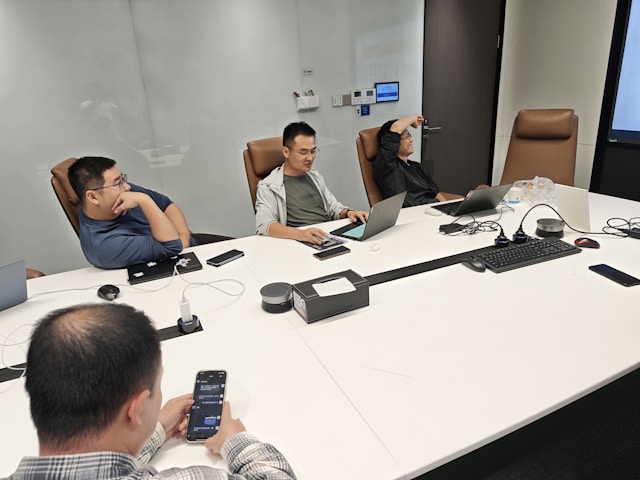
Marketing meetings rarely fail because of bad ideas. They fail because nothing happens afterward. Notes get buried, decisions lose context, and next steps drift between Slack threads and task boards. Over time, this gap drains momentum.
Actionable meetings aren’t about adding more structure or constantly refining the agenda. They’re about creating a system where conversations translate into outcomes automatically. That shift has become easier thanks to AI-powered meeting capture and smarter workflows. When done well, meetings stop being status updates and start functioning as execution engines for your marketing team.
Why marketing teams are adopting AI meeting capture so quickly
AI meeting capture tools record conversations, generate transcripts, and surface summaries without manual note-taking. As teams moved into hybrid collaboration, fewer people shared the same room or context, making reliable documentation essential. Transcription paired with AI summarization quickly shifted from helpful to expected.
It now sits alongside project management and CRM tools in many stacks. Behind the scenes, most of these tools rely on infrastructure APIs that handle recording, transcription, and meeting data at scale.
Where AI meeting capture fits into the marketing workflow
AI meeting capture shows up wherever marketing conversations create downstream work. Campaign kickoffs, client check-ins, creative reviews, and cross-functional syncs all generate decisions that shouldn’t live in someone’s notebook. Automatic transcripts and summaries turn those moments into shared reference points the whole team can revisit.
The biggest value comes from structure. Good summaries highlight decisions, extract action items, and assign ownership without extra admin. Agencies and client-facing teams can convert those outputs into CRM-ready notes or recap emails within minutes. Internally, transcripts help keep messaging consistent across channels, especially when multiple stakeholders influence messaging over time.
Consistency also depends on capturing the right meetings automatically. Many teams use scheduling triggers or a calendar integration API so recordings start based on event rules, not manual joins. That reduces friction and ensures key conversations don’t slip through the cracks.
With continued use, transcripts become a searchable layer of institutional memory, helping teams revisit decisions, spot patterns, and stay aligned even as projects and priorities shift.
The impact on execution speed and team alignment
When decisions and next steps are captured automatically, follow-ups happen faster and fewer tasks fall through the cracks. Distributed teams gain continuity because context no longer lives in one person’s memory. New hires onboard quicker when they can revisit past conversations instead of relying on secondhand recaps.
Transcripts also form a reliable knowledge base teams can revisit anytime. Just as importantly, visibility changes behavior. When discussions are documented and shared, ownership becomes clearer, alignment improves, and meetings start reinforcing accountability instead of creating ambiguity.
How teams are operationalizing meeting intelligence
Once teams see the value, the next step is making capture consistent. This usually starts by deciding which conversations matter most, like campaign planning, client reviews, strategy syncs, and cross-functional handoffs. Not every call needs recording, but high-context discussions almost always do.
Equally important is where outputs live. Action-oriented summaries should flow into project tools or shared docs, not sit in isolated dashboards. The goal is usability, not storage. Formatting is also key. Teams tend to standardize summaries around decisions, owners, and deadlines so outcomes are immediately usable.
Infrastructure plays a quiet but critical role here. Many teams rely on scheduling triggers or a calendar integration API to automate when recordings happen. It removes manual friction and ensures coverage stays consistent without adding extra process overhead.
Common pitfalls and how to avoid them
Like any emerging workflow, AI meeting capture works best with clear guardrails. Privacy is the first consideration. Teams should align capture practices with local laws and internal policies so expectations are clear before recording becomes routine.
Another common issue is over-trusting summaries. AI can surface strong takeaways, but it still helps to sense-check outputs, especially for decisions or sensitive client discussions. Small misinterpretations can snowball if summaries get reused across docs or reports.
Teams should also watch for summary drift. When insights pass through multiple layers of editing or reuse, nuance can fade. Keeping access to the original transcript helps maintain context and avoid misalignment later.
Customization is also important. A one-size-fits-all summary rarely works across creative, strategy, and client teams. Tailoring formats based on how each group uses notes improves adoption and clarity.
Finally, accountability should stay human. AI can document conversations, but ownership still comes from people. Treat summaries as a shared reference, not a substitute for clear follow-through.
The bottom line on actionable marketing meetings
Actionable meetings don’t come from better agendas alone. They come from systems that carry decisions forward after the call ends. When conversations are captured, structured, and easy to revisit, teams spend less time chasing context and more time executing. This shift compounds quickly, especially for marketing teams juggling campaigns, clients, and cross-functional work.
The goal isn’t to add more process. It’s to remove friction. Small operational changes, like consistent capture and usable summaries, make alignment easier to maintain as teams scale.
For organizations focused on building more outcome-driven workflows, partners like Digital Hill emphasize the same principle: connect strategy with execution through smarter systems. When meetings consistently produce clarity instead of ambiguity, they stop feeling like overhead and start becoming one of the most reliable drivers of momentum inside your marketing engine.