
Reference to Video for SMB Marketing Campaign Assets
Small businesses do not usually struggle because they have no ideas. They struggle because every idea needs more assets than expected. A new service page needs a short video. A seasonal promotion needs a social clip. A product launch needs a landing page visual, an email creative, and a few ad variations. Before long, one simple campaign has turned into a full production queue.
That is why AI video workflows are becoming so useful for local businesses, ecommerce teams, and lean marketing departments. The best tools do not replace strategy. They help marketers turn existing brand assets, product photos, and campaign ideas into videos that feel consistent enough to publish across channels.
Why SMBs Need Consistent Video Assets
Digital Hill’s own marketing approach focuses on connected digital touchpoints: ads, SEO, content, social media, and email all working together instead of operating in isolation. That is exactly where video consistency matters. If a brand looks polished on its website but rushed on Instagram, customers feel the gap.
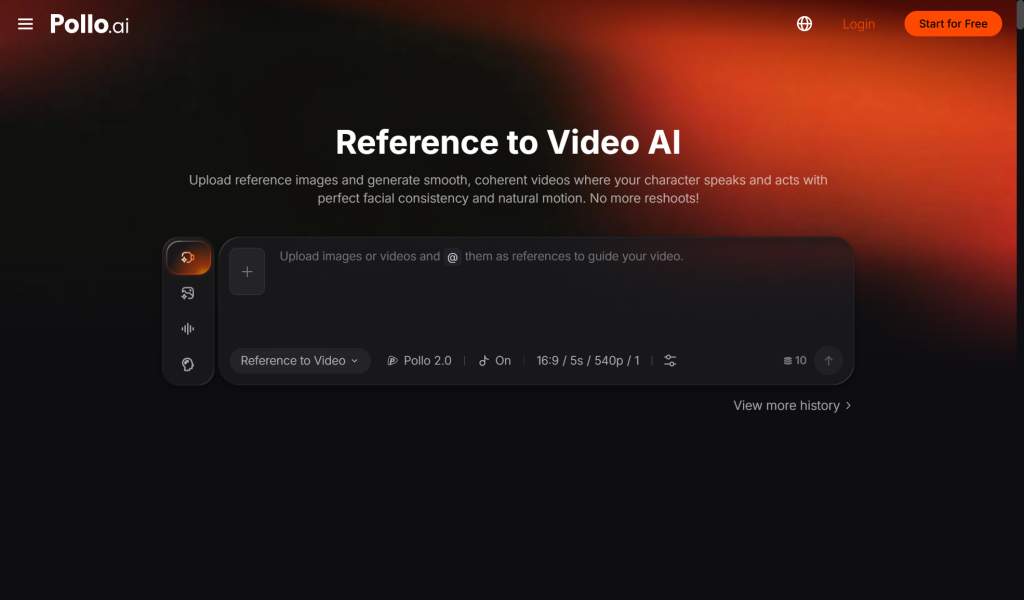
Pollo AI Reference to Video helps solve that problem by turning uploaded reference images into smooth videos while keeping the chosen subject, product, character, or scene visually consistent. For SMB marketing teams, this is a practical advantage. A product photo, founder headshot, brand mascot, storefront image, or campaign visual can become a video without losing the recognizable details that make the brand feel familiar.
This is especially useful for social ads, website banners, product demos, and local campaigns. Instead of recreating a look from scratch every time, teams can keep the same product or brand element stable while changing the setting, motion, or message around it.
Build Campaigns Around Real Brand References
One reason small business marketing can feel fragmented is that each channel often gets built separately. The designer makes the website banner. The social media manager creates a Reel. The email team needs a new visual. The ad team wants a variation. When every asset starts from zero, the campaign starts to lose its center.
A reference-based video workflow helps keep that center intact. The marketer can begin with a real asset: a product image, a team photo, a service graphic, or a campaign mockup. From there, AI can create motion while preserving the main subject. That makes the final creative feel more connected to the brand’s actual identity.
For a restaurant, this could mean turning a signature dish image into a short promo video. For a home services company, it could mean animating a before-and-after project. For a retail brand, it could mean showing the same product in several lifestyle settings. Pollo AI makes this kind of creative testing easier because the reference remains stable while the marketing angle changes.
Use one reference for multiple touchpoints
The smartest workflow is simple: choose one strong visual reference, then create versions for different goals. A homepage clip can focus on credibility. A Facebook ad can focus on the offer. An Instagram Reel can focus on emotion or lifestyle. An email visual can focus on the next action. The brand stays recognizable, but the message adapts.
Where Adobe Firefly Fits the Creative System
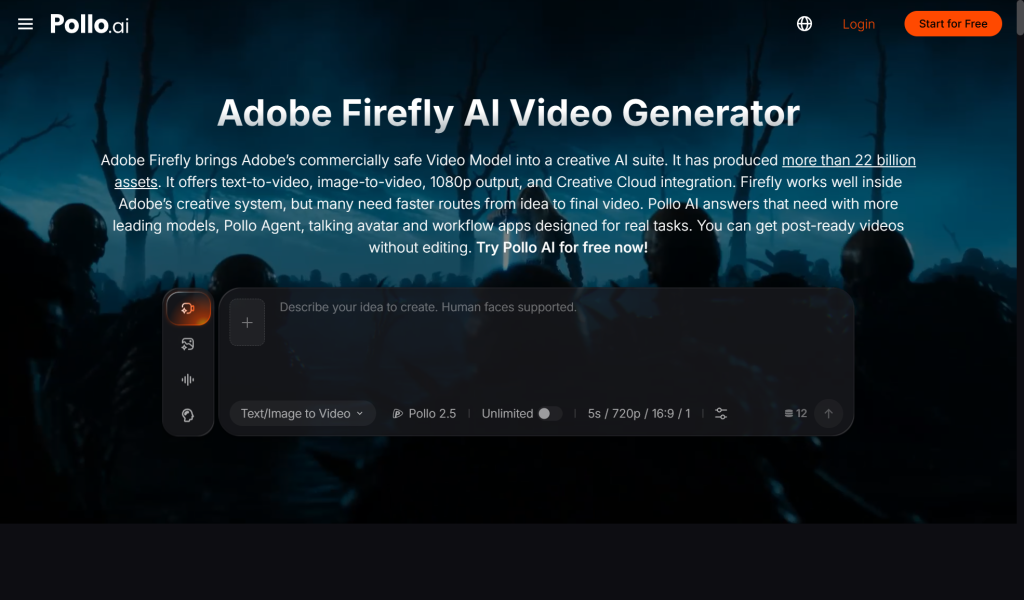
Pollo AI Adobe Firefly is another useful option for marketers who care about polished, commercially safer creative work. Firefly is known for text-to-video, image-to-video, 1080p output, Creative Cloud integration, and brand-conscious production workflows. Inside a broader Pollo AI workflow, it can support teams that want more control over visual style, camera motion, and professional-looking output.
This matters for small businesses that want to look established without building a full production team. A local brand may not need a cinematic commercial every week, but it does need clean campaign visuals that feel trustworthy. Adobe Firefly-style generation can help with launch videos, announcement clips, social media promos, and polished creative drafts that can later be refined for specific platforms.
Match the tool to the marketing goal
Use reference-based video when consistency is the priority. Use a model like Adobe Firefly when the priority is a polished concept, brand-safe visual direction, or a more refined creative style. The best marketing workflow often uses both: first anchor the campaign with recognizable assets, then generate stronger variations for testing and distribution.
Best Practices for SMB Video Marketing
A good AI video still needs a clear marketing job. Before creating anything, decide what the video should do. Is it meant to build trust, explain a service, promote an offer, or drive a lead? That goal should shape the hook, length, format, and call to action.
Keep videos short for social media and ads. Lead with the product, the outcome, or the problem. Use captions whenever possible, because many people watch with sound off. Make sure the first frame is strong enough to earn attention before the motion begins. For website and email, keep the style cleaner and more direct so the video supports conversion rather than distracting from it.
Pollo AI is useful because it lets marketers think in campaign systems instead of one-off assets. Creative Studio can support model-led creation, Marketing Studio can help create ad-ready content, and Design Studio can support the surrounding visuals such as banners, product images, and social graphics. For SMBs, that all-in-one structure is a real creative superpower.
The Future of Small Business Campaigns
The future of SMB marketing will not be about producing more random content. It will be about producing more connected content. Businesses that win attention will be the ones that keep their message consistent across search, social, ads, email, and the website experience.
AI tools make that easier, but only when used with purpose. Pollo AI helps small teams turn real brand references into consistent video assets, then expand those assets into campaign variations that can be tested and improved. For businesses that need stronger marketing without slower production, that is a game-changer.
The goal is simple: make every campaign look like it belongs to the same brand, moves with the same purpose, and gives customers a clear reason to act.