
The First-Person Video Revolution: How Wearable Smart Eyewear Is Changing Digital Content & Marketing
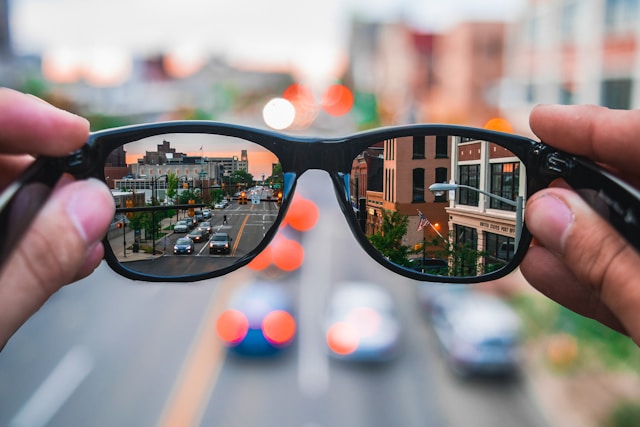
For more than ten years, the smartphone has been the main piece of hardware digital marketers, content creators, and video producers have used to capture moments on the go. Handhelds have long been the camera of choice for shooting behind-the-scenes footage, unboxing videos, or social media how-tos.
As video production needs evolved, however, the limitations of handheld shooting became more and more apparent. A phone creates instant friction – it wants your hands, it makes you look down, it breaks your eye contact with your surroundings, and it puts a physical screen between you and the experience.
We are seeing a major shift in hardware technology that is changing the way we capture and consume digital media. With the development of screenless, ambient wearable tech – smart eyewear featuring camera sensors, open-ear audio, and artificial intelligence – we are entering a new world of hands-free, first-person content creation.
From Handheld Friction to Eyes-Up Content Capture
With a standard smartphone, a product walkthrough or recorded site visit turns an active creator into a full-time camera operator. You need to constantly stop what you are doing, wipe your hands, balance a tripod, or adjust screen angles just to get a clean shot.
Smart frames address this problem by putting micro-sensors and AI processing right in your natural line of sight. Wearable tech puts the camera at eye level. This gives creators and brands a powerful new way to create authentic video content:
- True First-Person Perspective: Record detailed tutorials, live demonstrations, and authentic behind-the-scenes moments, all from your exact line of sight without juggling equipment or blocking light with bulky rigs.
- Fast Voice-Activated Recording: Capture spontaneous unscripted moments with simple voice prompts or light touch controls before the moment is gone.
- Seamless Creative Flow: Dual hand operation for tools, product display, or natural interaction with your audience while recording.
- Open-Ear Situational Awareness: Directional micro-speakers deliver audio prompts, calls, or music to your temples while keeping your ear canals open so you can remain fully aware of your surroundings.
For brands wanting to stay ahead of the curve on emerging hardware trends, taking a look at modern sunglasses with camera features is a good way to see how classic fashion frames have evolved into powerful ambient video tools.
Why First-Person Video Works Better Than Traditional Ads
Today’s audience is increasingly numb to overly polished studio ads. Viewers are looking for authenticity, connection, and a real-world perspective. First-person Point-of-View (POV) video gives consumers the ability to see the world through the eyes of a creator, craftsman, or brand ambassador.
Bringing hands-free video capture into your brand strategy offers unique advantages for creating experiential marketing videos that build trust and increase engagement with your audience.
Content Strategy | Traditional Handheld Setup | Wearable Smart Eyewear |
Postural Engagement | Looking down at a screen | Eyes-up presence, natural |
Operational Freedom | Uses one hand or two | 100% hands-free operation |
Perspective | Third person limited perspective | Immersive first person POV |
Setup Friction | Phone mounts, tripods, rigs | Instant voice or touch triggers |
Environmental Awareness | Screen distraction | Total open ear situational awareness |
It removes the awkward physical barrier of a camera screen, allowing creators to interact naturally with the environment, which results in higher audience retention and stronger brand recall.
Incorporating Wearable Tech into Your Video Conversion Strategy
Video still dominates social media feeds and search engine results. But creating high-converting video takes strategic planning, from scripting key talking points to optimizing production quality.
If you are building a high-performing video funnel, hands-free recording and a structured approach to lead conversion video will ensure that your authentic POV clips convert to measurable business leads.
1. Concentrate on the Practical Process
Be it a manufacturing step, a culinary technique, or event setup, first-person videos provide prospective clients with an insider’s view of your expertise.
2. Make Content Creation Easy
No setup time to wear the frames – your team can capture high-frequency micro-content all day long without disrupting core business functions.
3. Connect Visuals with Strategic CTAs
Even the best POV footage needs a clear direction. Always guide your audience to the next action, whether that’s visiting your website, downloading a resource, or booking a consultation.
Everyday Wearability and Optical Health Ergonomics
Early smart glasses never caught on with the wider market, with their weight, heat, short battery life, and industrial looks. Modern hardware engineering has overcome these hurdles by embedding micro-components directly into classic, stylish frame silhouettes.
Weight distribution is the most important factor for comfort for all-day wear. Engineers have eliminated nose-bridge pressure points by even distribution of micro-batteries along the temple arms.
And also it is important to take care of visual health during long outdoor shootings. The American Optometric Association recommends management of glare and reduction of optical fatigue during detailed visual tasks. Smart eyewear’s polarized lenses protect creators from harsh solar reflections while ensuring crystal-clear vision.
Public Etiquette and Digital Responsibility
As wearable cameras become more common in public, digital responsibility and transparency are essential to preserving audience trust.
Top smart eyewear brands are building in privacy controls at the hardware level into frame architecture:
- Hardwired Privacy LEDs: A light that is physically wired to the power circuit of the camera. The millisecond recording begins, the light goes on, informing everyone in the vicinity. As it is hardwired, it cannot be disabled with software settings or custom hacks.
- On-Device Data Encryption: Media files and voice commands are encrypted at the hardware level on the device itself, before being synced to the cloud.
- Physical Kill Switches: Users can power down camera and microphone sensors completely when entering private spaces via touch controls.
Digital rights groups, like the Electronic Frontier Foundation, have insisted that the use of mandatory indicator lights and hardware encryption must be baseline requirements for consumer confidence as wearables move into public settings.
Step into the Future of Hands-Free Content
Digital marketing’s future is about reducing friction. Brands and creators can move media capture from handheld screens to intuitive wearable interfaces, creating high-impact video content for a fully present experience in the real world.
Go hands-free, protect your eyes with high-performance optics, and make your brand’s video strategy stand out with complete clarity, presence, and purpose.